
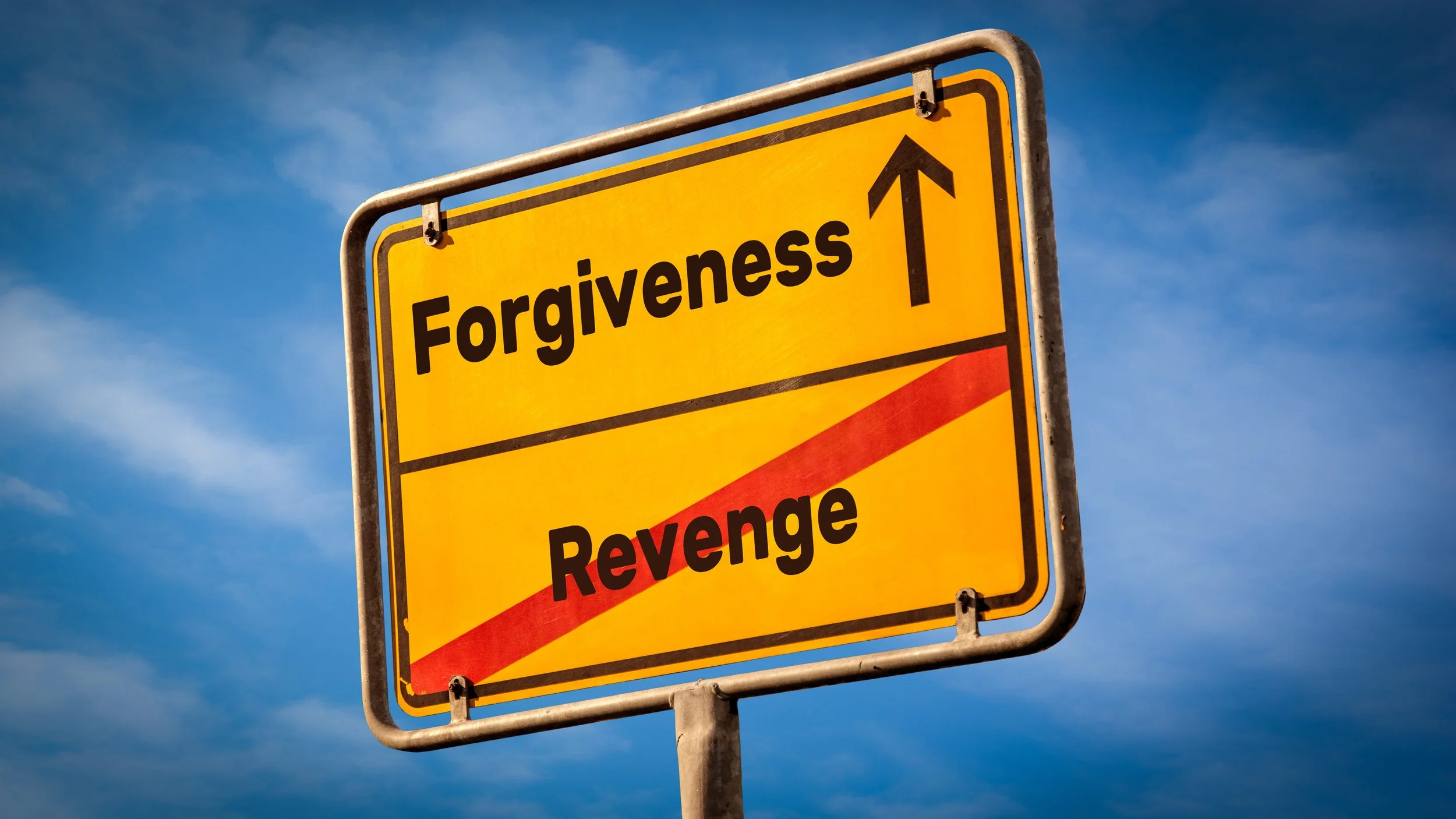
This is the second of two blogs on forgiveness. If you missed my first blog, The Healing Power of Forgiveness, you might want to go back and read it before moving on to this one.
What is Forgiveness
Let me refresh your memory on what forgiveness is: It is a conscious, costly decision to release someone from the debt they owe you because of their sin against you. Scripture roots forgiveness in God’s character: “Be kind and compassionate to one another, forgiving each other, just as in Christ God forgave you” (Ephesians 4:32, NIV). When someone sins against you, there is a real offense—a debt. Forgiveness is choosing to release that debt and entrust justice to God. It is not saying, “It didn’t matter.” It is saying, “It mattered—but I will not make you pay for it.”
One of the most difficult things we are called to do is to forgive others. When we have been wronged, we want justice, and often the very thought of forgiving seems unthinkable or utterly impossible. When you are experiencing this, you might benefit from reminding yourself that God’s forgiveness of your debts required him to send his Son to die a grisly death on a cross on your behalf.
When Christ was on the cross, he not only paid the penalty for our debts, but he also set an example for us when he said, “Father, forgive them, for they do not know what they are doing” (Luke 23:34, NIV). In the same way, we are called to extend forgiveness to others. The parable of the unforgiving servant reminds us how important this is (Matthew 18:21–35). His enormous debt was canceled by his master, but then he turns around and does not forgive a much smaller debt. When we refuse to forgive, we can lose sight of how much we ourselves have been forgiven. This is different from struggling to forgive while asking God for help.
Forgiveness does not mean we minimize what has been done to us. We do not have to put ourselves in a position to be hurt or sinned against again. Nor does forgiveness mean we can be reconciled to someone or trust them immediately. Many times, terrible things have been done that span the full gamut of human experience: unkind words, lies, neglect, abandonment, abuse, infidelity, sexual misconduct, and many more. There is a legitimate debt. Forgiveness does not deny it; it means releasing our demand for personal repayment and entrusting justice to God.
Through the grace and redemption found in Jesus Christ, we receive help to forgive. The gospel enables us to love our enemies (Matthew 5:44), bless those who persecute us (Romans 12:14), and overcome evil with good (Romans 12:21).
When we forgive, we obey God and surrender what happened to him. We give up our right to seek retribution. Romans 12:19 says, “Do not take revenge, my dear friends, but leave room for God’s wrath, for it is written: ‘It is mine to avenge; I will repay,’ says the Lord” (NIV). Remember that God sees all, and there is nothing that will not be made right by God in the end. Giving up personal revenge does not mean giving up appropriate boundaries, reporting abuse, or seeking protection.
Forgiveness is Canceling The Debt And Not Seeking Retribution
We then cancel the debt and no longer take it out on the person who wronged us. We accept the cost of releasing the debt rather than seeking revenge. Jesus’ forgiveness is our example, although only his sacrifice pays for our sins. Practically speaking, this means:
You are not going to throw what the person did up in their face again as a way of punishing them. You may still need to discuss what happened honestly to address harm or rebuild trust.
When painful memories return, you will ask God to help you respond without nurturing revenge. Remembering and grieving do not mean you have failed to forgive.
You are not going to gossip about it to others. You can still speak honestly with a counselor, pastor, trusted support person, or someone who can help protect you.
You are not going to use what happened to punish them. Where it is safe and possible, you will seek reconciliation. Forgiveness does not require restoring the same closeness or removing necessary boundaries.
When Jesus died on the cross for our sins, he did not say, “Well, I am willing to cancel your debt and forgive you, but I know what you are capable of, and I don’t really want to have anything to do with you again.” Instead, he professed love for you, brought you into his house, gave you new clothes, and adopted you.
There are times when we are called to forgive, but a relationship cannot be restored because the other person is not willing to reconcile or take responsibility for what happened. Romans 12:18 says, “If it is possible, as far as it depends on you, live at peace with everyone” (NIV). We can do our part to seek peace, but we cannot make another person repent, change, or rebuild trust.
There are other times when continuing a relationship with someone who wronged us would be unwise. This may be because the person would endanger your life or the life of someone you love. It may also be because there is ongoing abuse, manipulation, or repeated harm. Forgiveness can coexist with distance and firm boundaries.
What Happens to Us When We Do Not Forgive?
Holding on to resentment can feel like drinking poison and expecting the other person to suffer. When we don’t forgive, we are the ones who are impacted. We can become bitter, angry, resentful, and hard. This can keep us in bondage, strain our relationships with God and others, affect our health, and change us. In my case, not forgiving my mother caused me to have a stomach ulcer. This went away when I forgave my mother. Unforgiveness can also cloud our judgment. We may find it harder to see ourselves and others through an accurate lens.
This does not mean that every painful feeling is bitterness or that ongoing symptoms mean you have not forgiven. Deep wounds often need time, care, and support.
The Benefits of Forgiveness
When we forgive, we grow in our relationship with Christ because we are living in obedience and following in Christ’s footsteps. We can come before God honestly, asking him to help us pray, grieve, and heal in the aftermath of the poor treatment by another.
Letting go of resentment also softens our hearts. Over time, it can lessen anger, restore inner peace, and renew our joy.
Forgiving can help restore our relationships where reconciliation is possible. It can also help us stop taking our hurt out on others who are in our path, like our kids. This does not mean we will never feel angry again, but we can learn to respond to that anger differently.
Practical Ways to Forgive
When I am having trouble forgiving someone, I come before God in a ceremonial way and bow before his altar. I pray, asking God to give me the grace to release the debt of the person who wronged me and accept the cost of letting go. I say that, because Christ forgave my debt, I am releasing the person from the debt they owe me, and I say that I will not engage in revenge. I envision putting the debt in a chest and presenting it at the foot of the altar. I say that I am surrendering this to God and ask that I be released from this burden that has embittered me. I ask God to forgive me and to heal me.
Forgiveness is rarely “one and done,” especially if you are still in regular contact with the person who wronged you. This means that we must seek God in an ongoing way to give us the grace to forgive as many times as it takes. In my experience with my mother, God took away the painful memory of what she had done. Often, however, the memory remains. Remembering what happened does not mean you have failed to forgive.
If you are feeling resentful and bitter toward someone and having trouble forgiving them, Christian counseling can help you. Please reach out to me at 973-464-2759 for a free 15-minute consultation. I will not condemn you or shame you. I will help you process what happened, grieve with you, and help you forgive.